What Is MVR Evaporation Crystallization? Understand the Energy-Saving "Black Technology" of "Using Electricity to Replace Steam" in One Article
In industries such as chemical, pharmaceutical, food, and wastewater treatment, "evaporative concentration" and "evaporative crystallization" are almost unavoidable unit operations. Traditional evaporation relies on boilers to burn steam, and energy costs often account for more than half of total operating costs. Over the past decade, a technology called MVR has been quietly changing this landscape — it doesn't burn steam (or uses very little), mainly using electricity to "recycle" secondary steam, and is called by the industry the energy-saving "black technology" of "using electricity to replace steam."
1. What exactly is MVR?
MVR, full name Mechanical Vapor Recompression, is called "mechanical vapor recompression" in Chinese. Its core logic is actually very simple:
The secondary steam generated by evaporation, originally "waste heat," is now compressed and heated and reused.
In a traditional evaporator, the secondary steam generated by boiling material is directly condensed and discharged, and the heat is wasted. The MVR system uses a steam compressor (usually centrifugal or Roots-type) to raise the pressure and temperature of the secondary steam by about 10-20°C, and then sends it back to the heat exchanger as a heating heat source. In this way, the steam "self-circulates" within the system, requiring only a very small amount of fresh steam supplement or even none at all, to maintain continuous evaporation.
Figuratively speaking, traditional evaporation is "burn one ton of steam, evaporate one ton of water," while MVR is "spend a few dozen degrees of electricity to repeatedly use the heat of the same batch of steam."
2. Typical composition of an MVR evaporation crystallization system
A complete MVR evaporation crystallization system typically includes:
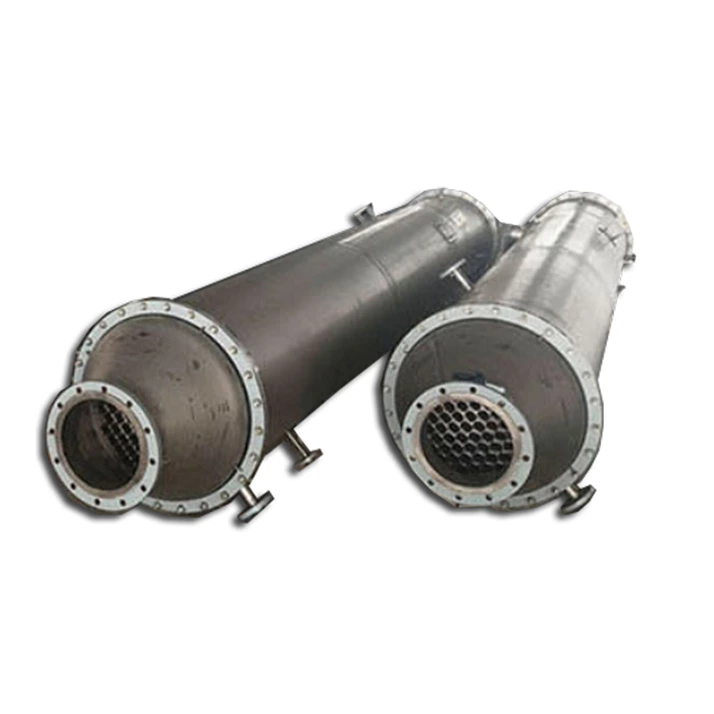
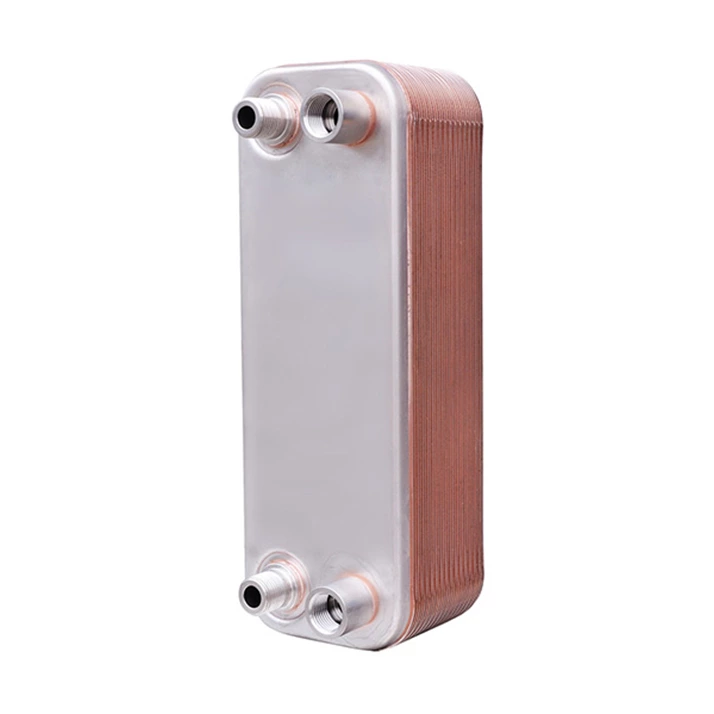
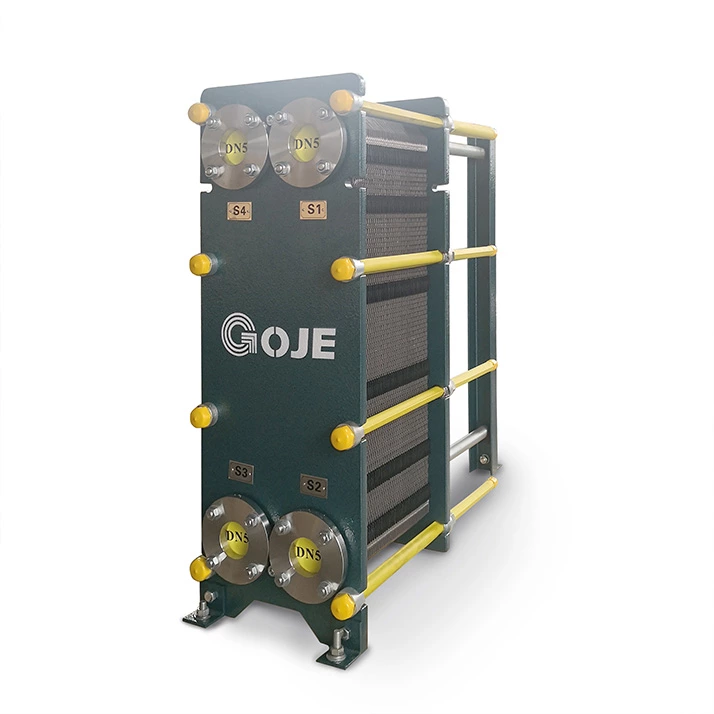
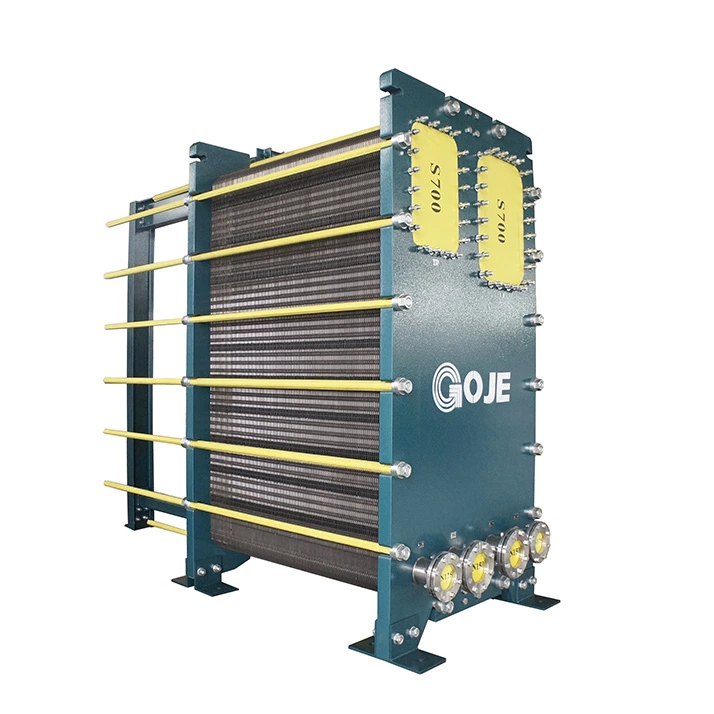
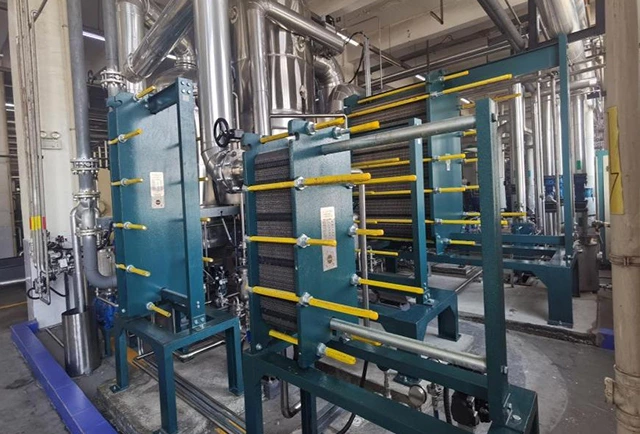
Heat exchanger (heating chamber): the material is heated and evaporated here;
Separation chamber / crystallizer: vapor-liquid separation; the concentrate supersaturates and precipitates crystals here;
Steam compressor: the "heart" of the entire system, determining energy efficiency and stability;
Vacuum system and piping: maintain evaporation temperature and lower material boiling point;
Automatic control system: maintain system thermal balance and prevent fluctuations.
Among these, the design of the crystallizer is particularly critical — particle size, purity, and whether discharge is smooth largely depend on the type selection of the crystallization section (such as OSLO crystallizer, DTB crystallizer, forced-circulation crystallizer, etc.) and process matching.
3. Why are more and more enterprises switching to MVR?
Low operating cost: the energy consumption per ton of water evaporated can be reduced to a fraction of traditional single-effect evaporation, especially cost-effective for regions where steam is expensive and electricity is relatively cheap;
No need for large-tonnage boilers: saves an entire set of supporting facilities such as boiler room, gas pipelines, and boiler operators;
Clean and environmentally friendly: no coal or gas combustion emissions, less environmental assessment pressure;
High degree of automation: enables continuous stable operation and reduces manual intervention.
Of course, MVR is not a panacea: for materials with large boiling point rise, easy foaming, and strong corrosion, system design difficulty rises significantly, and the requirements for equipment manufacturers' experience are very high. Equipment enterprises like Jiangsu Gaojie Energy-Saving Equipment Group, which have deep experience in the evaporation crystallization field, often directly determine the stability and energy-efficiency performance after project commissioning through their accumulation in compressor selection, material configuration, anti-scaling design, and other links.
4. One-sentence summary
MVR evaporation crystallization essentially turns "one-time-consumed steam" into a "recycled heat carrier," using a small amount of electrical work to exchange for the repeated utilization of steam heat. For projects with large evaporation volume and long operating hours, the energy-saving benefits are very considerable.
If you are evaluating the multi-effect evaporation vs. MVR technology route, or want to understand which evaporation crystallization solution is more suitable for your material, you can further consult the technical team of Jiangsu Gaojie Energy-Saving Equipment Group to obtain targeted selection advice and operating-cost calculations.