Desulfurization Wastewater Triple-Effect Concentration and Sodium Chloride Crystallization & Evaporation
Desulfurization Wastewater Triple-Effect Evaporation
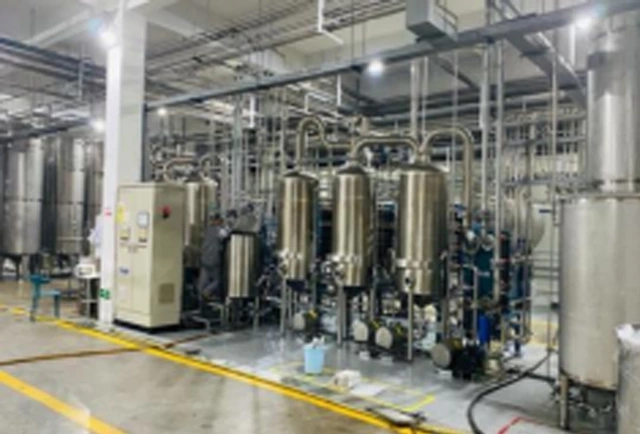
The core principle of a desulfurization-wastewater triple-effect evaporator is to connect three evaporators in series so that the heat of the steam is 'used three times by one steam': the first effect is heated by fresh steam to evaporate the wastewater; the generated secondary steam then serves as the heat source for the second effect; the second effect's secondary steam drives the third effect—one steam's heat is reused three times, greatly reducing energy consumption.
The specific workflow is as follows:
1. First-effect heating and evaporation: desulfurization wastewater is pumped into the first-effect heater and heated by live steam to boiling. The wastewater is heated and warmed inside the tubes by the steam outside the tubes; upon entering the evaporation separator it flashes due to the pressure drop, separating vapor from liquid. The concentrated liquid circulates and continues evaporating, and the generated secondary steam enters the next effect.
2. Second- and third-effect relay concentration: the first effect's secondary steam serves as the heat source for the second-effect heater, continuing to evaporate the wastewater at a lower pressure and boiling point; the second effect's secondary steam then enters the third effect, squeezing out the remaining heat. The effects are connected by balance pipes; under negative pressure the wastewater flows from the first to the second and third effects in turn, and salt concentration keeps rising.
3. Crystallization and separation: when the salt in the wastewater exceeds saturation, salt keeps precipitating and enters the salt-collection chamber at the lower part of the evaporation-crystallization chamber, achieving salt-water separation. The concentrated liquid is discharged into a thickener and centrifuge to obtain solid salt; the mother liquor returns to the evaporation system to continue crystallizing, forming a continuous cycle.
4. Condensation and discharge: the third effect's final secondary steam enters the condenser and, cooled by circulating water, becomes condensate that is recovered to the reuse water tank. The vacuum system removes non-condensable gases to maintain system negative pressure and improve evaporation efficiency.
It should be noted that the operating premise of a triple-effect evaporator is that the pressure and solution boiling point of the later effect must be lower than those of the preceding effect; otherwise the secondary steam cannot serve as the later effect's heat source. In desulfurization-wastewater treatment, a forced-circulation pump is usually also provided to prevent scaling and blockage.
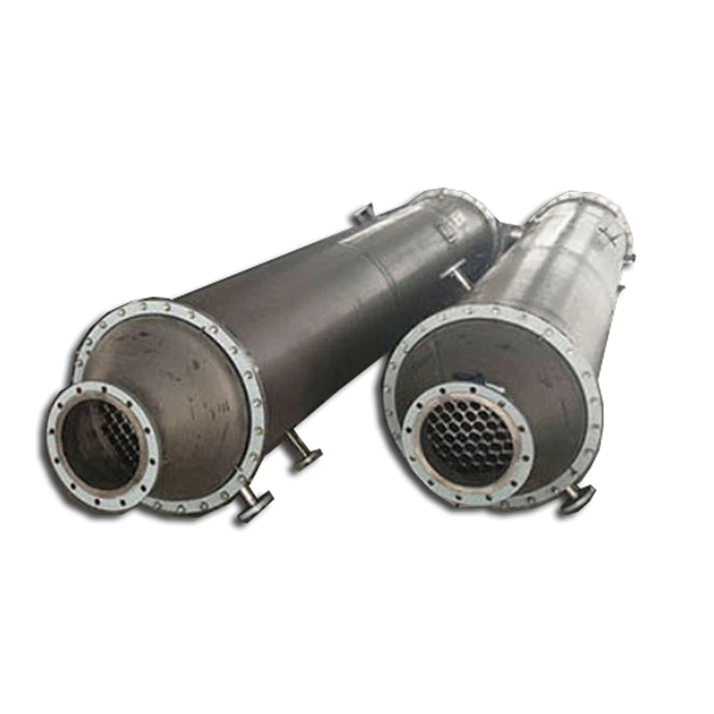
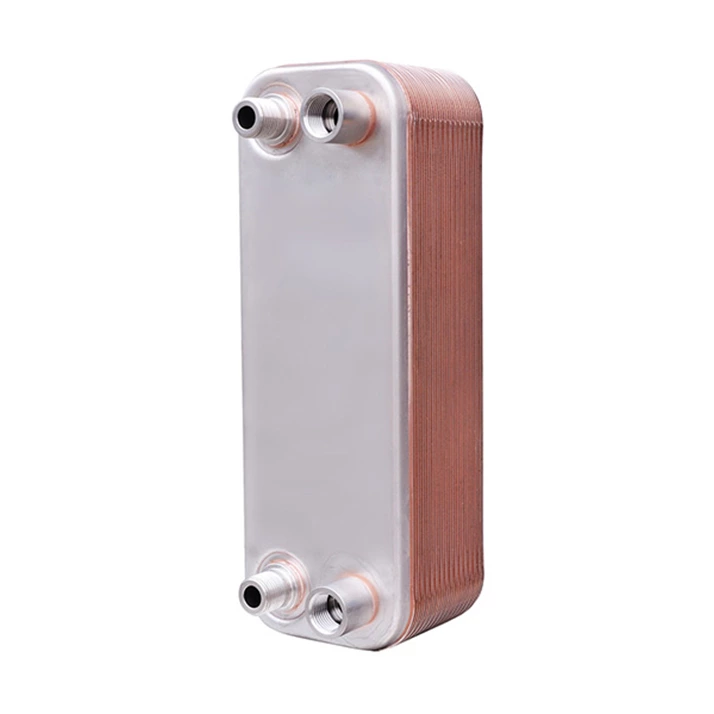
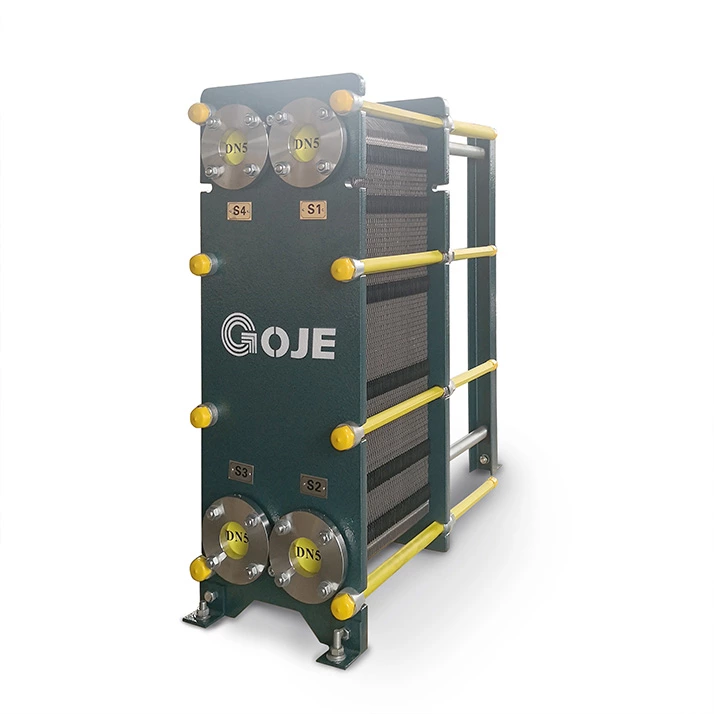
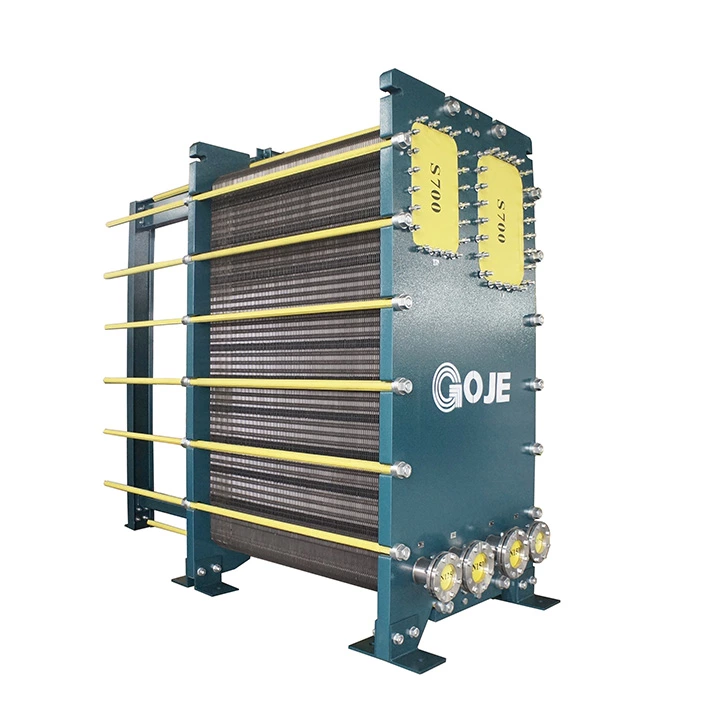
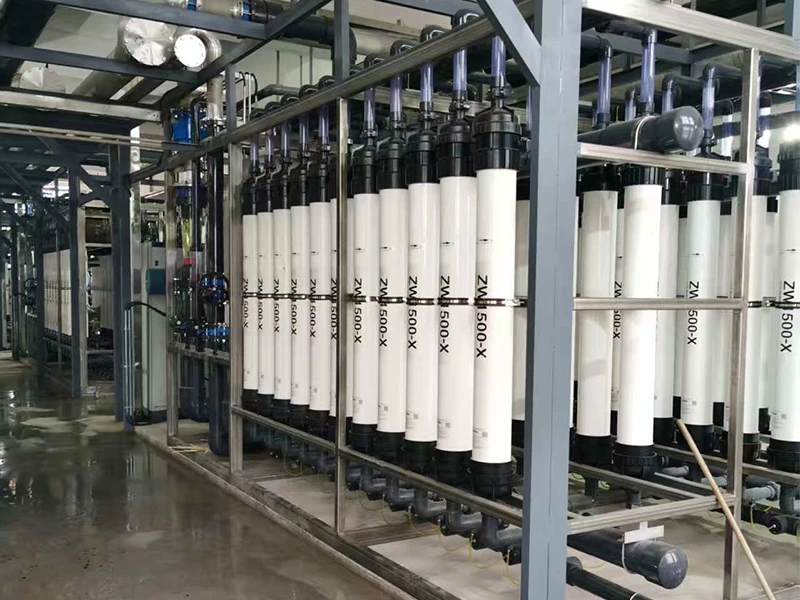
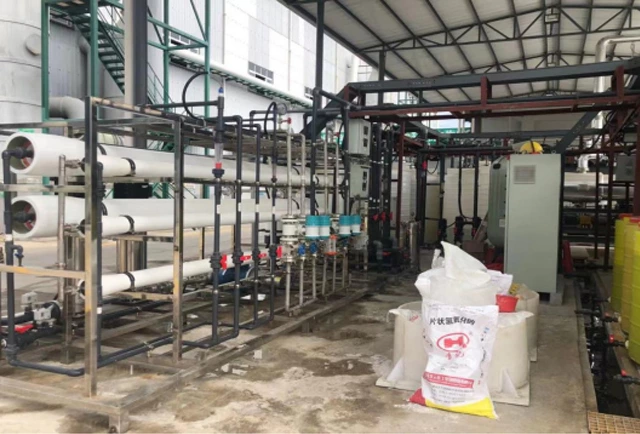
The entire system mainly consists of evaporators, heaters, separators, crystallizers, condensers, vacuum pumps and various process pumps supplied by Jiangsu Gaojie Energy-Saving Equipment Group Co., Ltd., forming a closed-loop process of continuous feed and continuous discharge. The energy-saving effect is significant.
Sodium Chloride Crystallization & Evaporation
The sodium chloride crystallization evaporator is core equipment for treating high-salt wastewater, recovering sodium chloride solids and achieving zero liquid discharge; its process route is already quite mature.
Working principle: sodium chloride solution is preheated and enters the evaporation chamber, where it is heated and concentrated under negative pressure, precipitates crystals after reaching saturation, then undergoes solid-liquid separation in a centrifuge to obtain sodium chloride solids; the mother liquor returns for continued evaporation, forming a closed cycle.
Equipment type: mainly forced-circulation evaporators, combined with MVR or triple-effect evaporation, with circulation velocities generally reaching 1.5–3.5 m/s, effectively resisting salt precipitation and scaling, suitable for crystallizing and particle-laden materials.
Core advantages: the large forced-circulation velocity scours the heat-exchanger tube walls, significantly reducing scaling and blockage risk; multi-effect or MVR design enables cascaded heat-energy utilization and lowers operating cost.
Application fields: widely used for high-salt wastewater treatment and resource recovery in pesticides, pharmaceutical intermediates, dyeing and printing, fine chemicals, non-ferrous metallurgy and other industries.
Mainstream process routes
1. Triple-effect evaporation crystallization: uses three-stage series evaporators, heating the later effect with the preceding effect's secondary steam; saves 30%–50% energy versus single-effect, with steam consumption about 0.3–0.5 t per ton of water, suitable for small-to-medium treatment volumes.
2. MVR (Mechanical Vapor Recompression): compresses and reheats the secondary steam for cyclic reuse as a heat source, with even lower energy consumption; suitable for large-volume projects with advantageous electricity prices, and is currently the mainstream energy-saving solution.
3. OSLO/DTB crystallizers: used where crystal-size control and product purity must be improved. OSLO suits low-temperature crystallization; DTB has no internal heat-transfer surface, fundamentally reducing scaling and giving more stable continuous operation.
Key selection considerations
Corrosion-resistant material: high chloride-ion concentration is strongly corrosive to equipment; the heat-transfer surface is recommended to use titanium alloy, whose service life far exceeds ordinary 304 stainless steel.
Anti-scaling design: give priority to configurations with forced-circulation pumps and secondary separators, combined with wire-mesh demisters to reduce entrainment and ensure condensate reuse quality.
Automated control: a mature manufacturer should have whole-line design capability and be able to customize a full-process system of pretreatment, evaporation-crystallization and mother-liquor drying based on the water-quality analysis report, ensuring stable compliant effluent.
Jiangsu Gaojie Energy-Saving Equipment Group Co., Ltd. can supply complete sets of MVR evaporators, multi-effect evaporators and crystallizers, and has integrated capability in design, production, installation and commissioning, with many relevant sodium-chloride evaporation-crystallization case references.